
Can You Draw Blood From Iv
Can You Draw Blood From Iv - Web drawing blood from iv using blue vacutainer. Potential effects of unsafe phlebotomy. The intent of this practice is to reduce the number of venipunctures and thus increase patients’ comfort. Iv who guidelines on drawing blood: The first thing you need to know is it's not recommended based on evidence. Do not inject blood into vacuum collection tubes; Web this can ultimately affect the accuracy of the blood test results. Can a nurse ever draw blood from a piv after it has been in situ? Web the steps it takes to draw labs from a peripheral iv are explained and demonstrated. It's meant for safer, longer term use than an intravenous (iv) line and your doctor can then remove it when you do not need it anymore. When drawing blood from an indwelling line, collect the inr/ptt sample first after. If possible, withdraw at least 3 ml of. Web this can ultimately affect the accuracy of the blood test results. Iv fluids with electrolytes ; Tpn can significantly contaminate blood samples. The smaller syringe often allows blood withdrawal where larger one won’t. Such effects are rare, but range from pain or bruising at the site of puncture, to fainting, nerve damage and haematoma. Web who guidelines on drawing blood: Do not inject blood into vacuum collection tubes; In addition, a fibrin sheath also begins to develop as the iv catheter is exposed to blood. Web there is a distinct lack of knowledge surrounding the appropriate timing and manner to collect blood from a cannula (jacob et al, 2021). There are devices on the market that allow you to draw blood through a. Further research is required to resolve t. Web consider iv contamination for any patient with unusual electrolyte or lab values. Web if. Anecdotal evidence suggests drawing blood from existing cannulas may be a common practice. In addition, a fibrin sheath also begins to develop as the iv catheter is exposed to blood. Web a butterfly needle, also known as a scalp vein set or winged infusion set, is a device used to draw blood from a vein or deliver intravenous (iv) therapy. Do not inject blood into vacuum collection tubes; Further research is required to resolve t. Iv fluids with electrolytes ; However, obtaining laboratory specimens from peripheral intravenous catheters may hemolyze the. Tpn can significantly contaminate blood samples. In general, this is not common practice due to concerns. The first thing you need to know is it's not recommended based on evidence. Or should that only be done at the time of insertion? Web the steps it takes to draw labs from a peripheral iv are explained and demonstrated. Web drawing blood from iv using blue vacutainer. Such effects are rare, but range from pain or bruising at the site of puncture, to fainting, nerve damage and haematoma. Or should that only be done at the time of insertion? Opponents argue the practice increases the chance of haemolysis, risk of infection and device failure. Attempt to draw back after flush. The first thing you need to know. Can a nurse ever draw blood from a piv after it has been in situ? Iv fluids with electrolytes ; This sheath allows infusion into the vein but closes over the catheter tip under negative pressure associated with aspiration which can disrupt the integrity of the iv access. The intent of this practice is to reduce the number of venipunctures. Web there is a distinct lack of knowledge surrounding the appropriate timing and manner to collect blood from a cannula (jacob et al, 2021). Or should that only be done at the time of insertion? Web who guidelines on drawing blood: Opponents argue the practice increases the chance of haemolysis, risk of infection and device failure. Potential effects of unsafe. The smaller syringe often allows blood withdrawal where larger one won’t. Web if you used a syringe to collect the blood, now transfer samples to collection tubes and bottles;* either insert the needle directly into the tops of the vacuum tubes, or remove the needle and attach a vacuum tube holder to the syringe. Web venepuncture can provoke pain, anxiety. In addition, a fibrin sheath also begins to develop as the iv catheter is exposed to blood. Web with the capacity to draw blood samples directly from a patient's peripheral iv line using pivo pro, the new solution integrates the clinical benefits demonstrated by the integrated closed nexiva. Tpn can significantly contaminate blood samples. Having a picc line reduces the. Web the reason they do not want you drawing from an iv once the line is established is because they are trying to minimize iv contamination as much as possible. Potential effects of unsafe phlebotomy. Further research is required to resolve t. Such effects are rare, but range from pain or bruising at the site of puncture, to fainting, nerve. Opponents argue the practice increases the chance of haemolysis, risk of infection and device failure. Web venepuncture can provoke pain, anxiety and cause trauma to patients. Web sampling blood from a peripheral intravenous cannula offers an alternative to venepuncture. In general, this is not common practice due to concerns. Further research is required to resolve t. Web this can ultimately affect the accuracy of the blood test results. American journal of clinical pathology. By iv contamination i do not mean that you may be contaminating the iv site. After a provider inserts a peripheral iv, it can remain in place for several days, which prevents the need for repeated needle sticks. Having a picc line reduces the need for repeated needle sticks. A butterfly needle consists of a very thin needle, two flexible “wings,” a flexible transparent tubing, and a connector. Web if you used a syringe to collect the blood, now transfer samples to collection tubes and bottles;* either insert the needle directly into the tops of the vacuum tubes, or remove the needle and attach a vacuum tube holder to the syringe. If possible, withdraw at least 3 ml of. Web you can draw blood from the iv arm below the intravenous needle if you put a tourniquet in between. Web this chapter covers all the steps recommended for safe phlebotomy and reiterates the accepted principles for blood drawing and blood collection ().the chapter includes background information (section 2.1), practical guidance (section 2.2) and illustrations (section 2.3) relevant to best practices in phlebotomy.the information given in this. Read dc, viera h, arkin c, et al.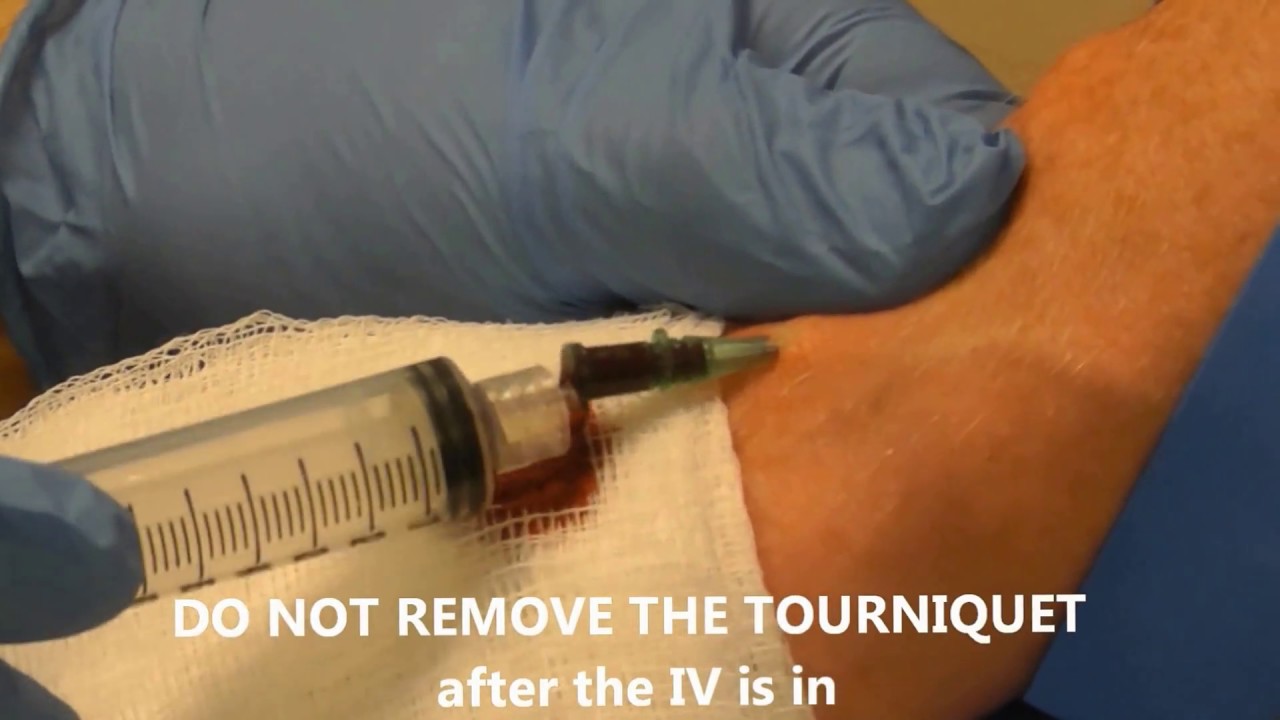
IV Insertion with Lab Draw YouTube

Drawing Blood From an IV Line Without Hemolysis YouTube

How to draw blood by using IV cannula before start of IV fluid.Quick
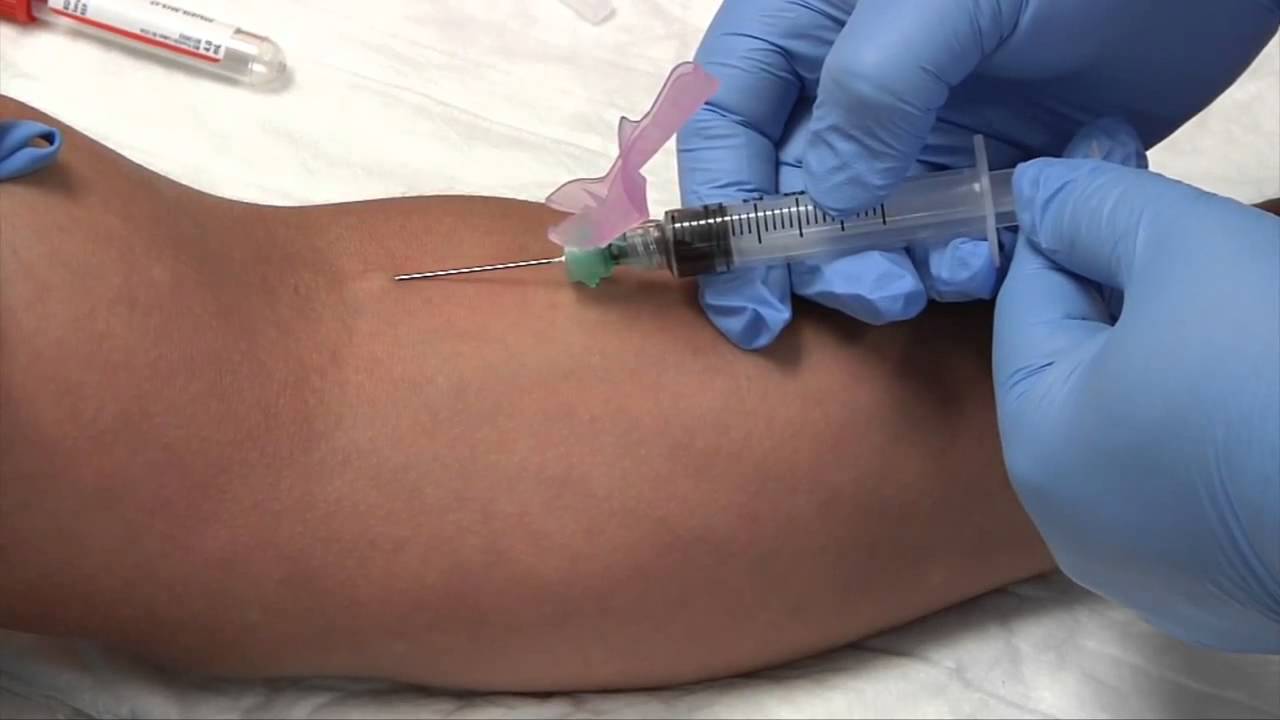
Phlebotomy Syringe Draw Procedure Blood Collection (RxTN) YouTube

How to draw blood from a Peripheral IV (PIV)? Skills Demo YouTube
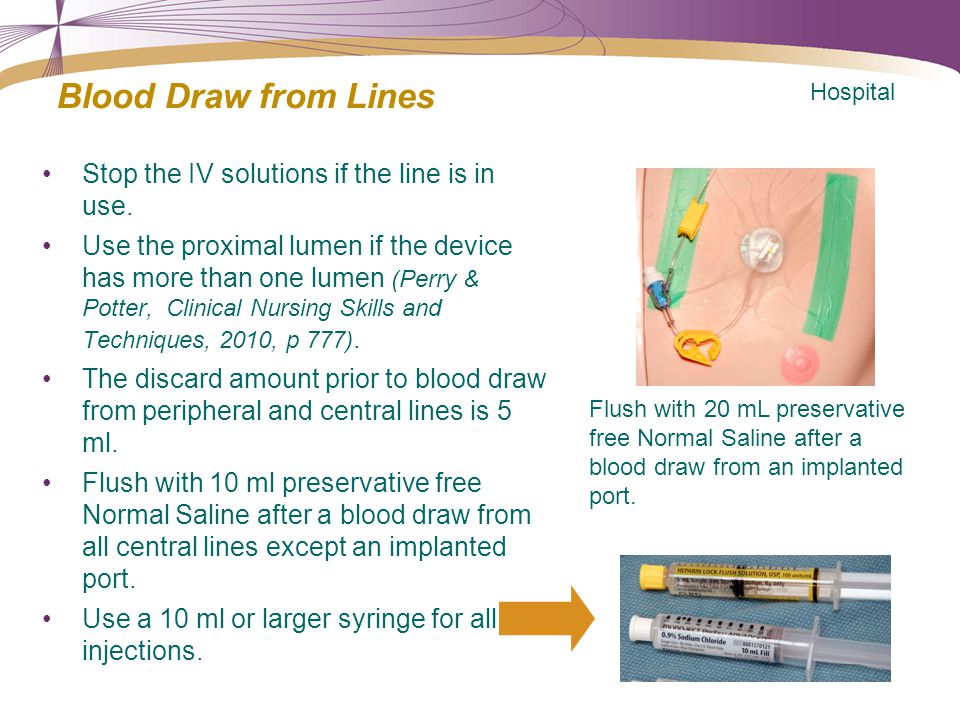
IV Catheter Care Peripheral and Central Policy Review ppt download
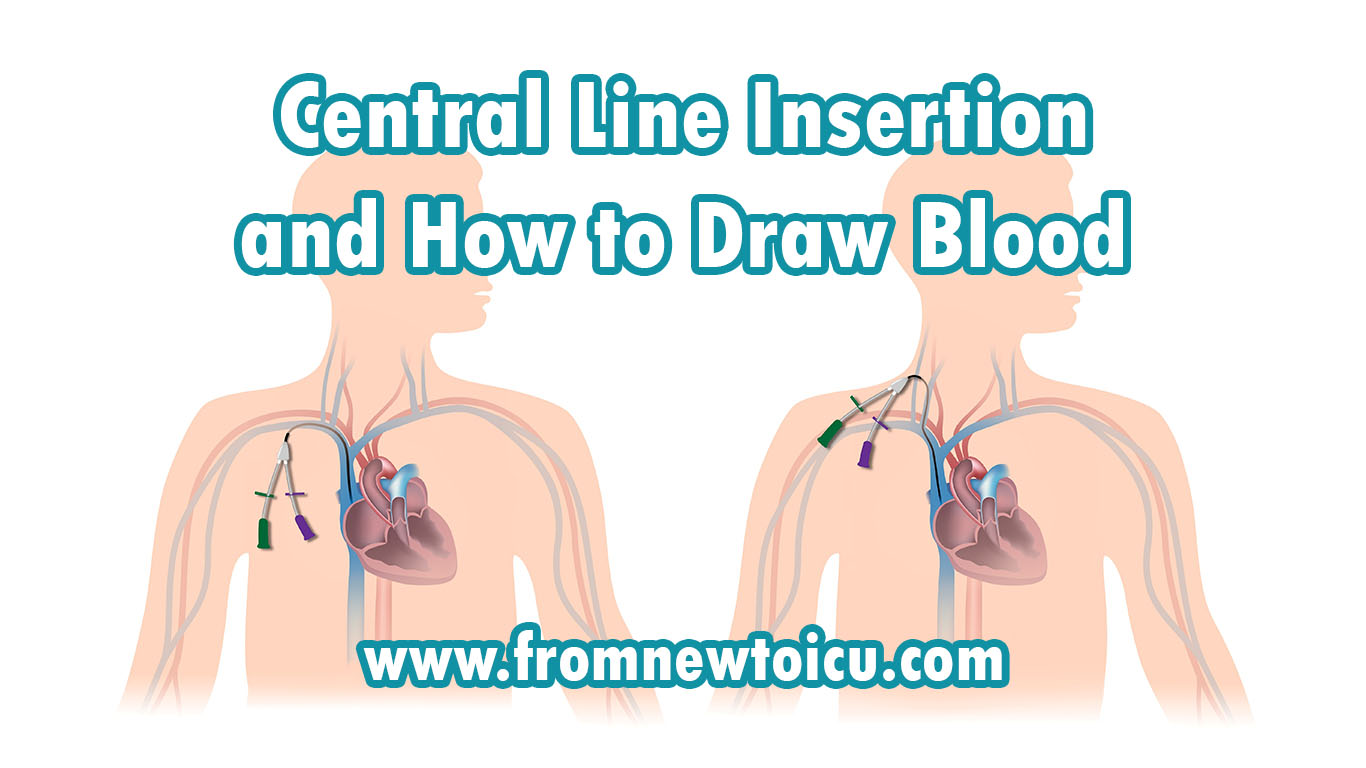
Central Line Insertion and How to Draw Blood — From New to ICU South
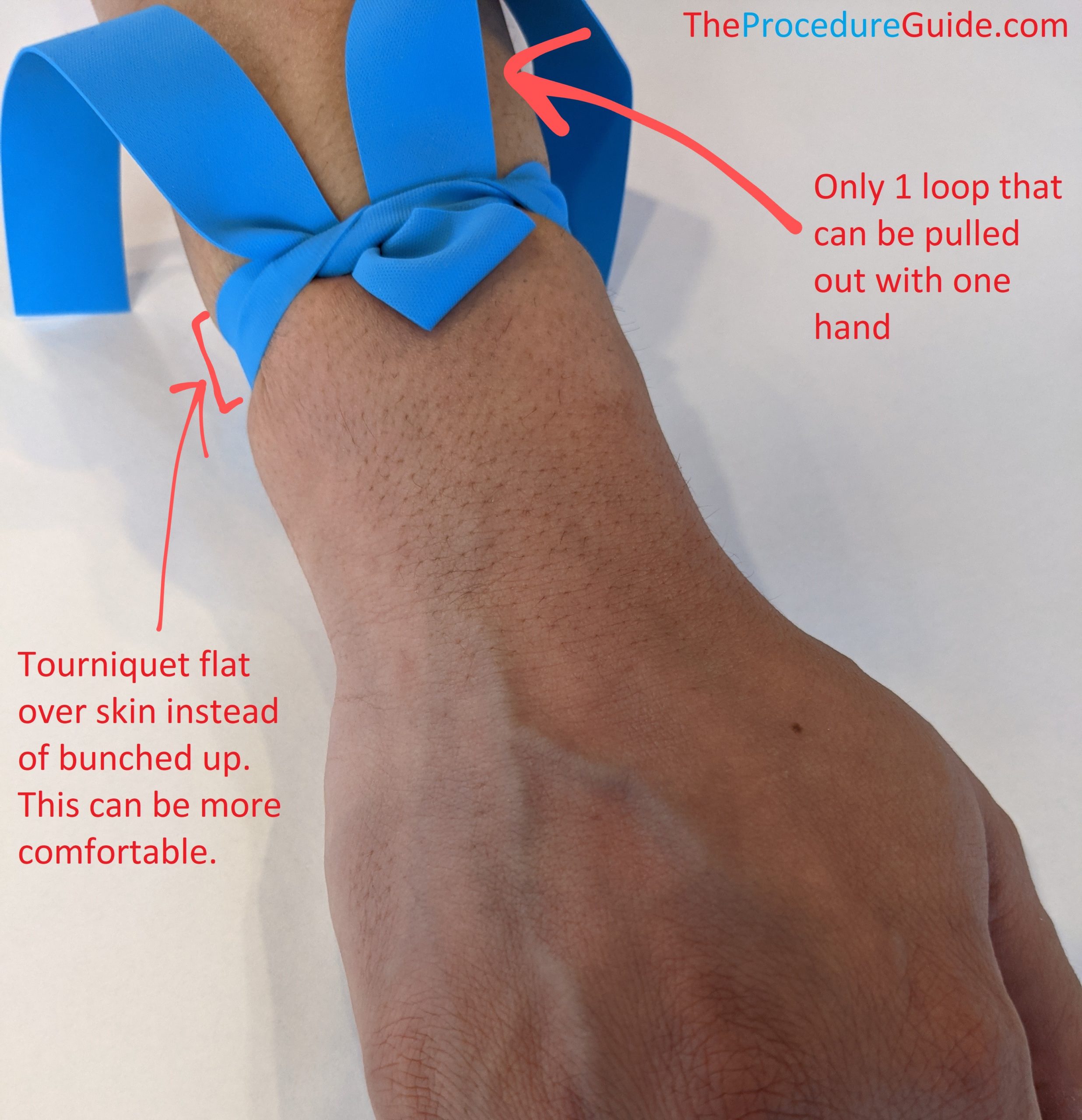
Blood Draw/Venipuncture Technique and Overview The Procedure Guide

How to Draw Blood From an Iv Villarreal Tilk1949

Can You Draw Blood From A Peripheral Iv Drawing.rjuuc.edu.np
Can A Nurse Ever Draw Blood From A Piv After It Has Been In Situ?
Attempt To Draw Back After Flush.
Therefore, An Arm Containing An Iv Should Not Be Used To Draw Blood Specimens If It Can Be Avoided.
Or Should That Only Be Done At The Time Of Insertion?
Related Post: